What to know about Chelsea council rubbish rules and fines
Posted on 27/08/2026
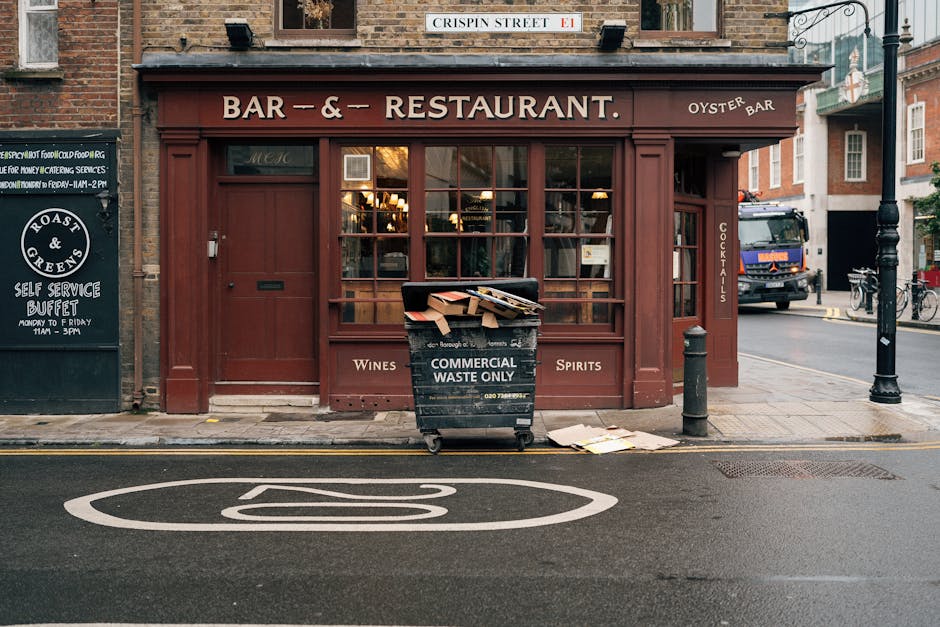
If you live, work, or manage property in Chelsea, rubbish rules are not something to leave to guesswork. One wrong bin day, a bag left on the pavement, or a fly-tipped sofa can turn into a messy problem fast. And let's face it, nobody wants a fine when the fix would have taken five minutes.
This guide explains what to know about Chelsea council rubbish rules and fines in plain English. You'll learn how local waste expectations usually work, what tends to trigger penalties, how to reduce risk, and when it makes sense to use a professional clearance service. I'll keep it practical, because that's what people actually need on a rainy Tuesday morning with bags by the kerb and no time to spare.
Why these rubbish rules and fines matter
Chelsea has a dense mix of flats, townhouses, shops, offices, restaurants, and building projects. That means waste can become visible very quickly. A couple of bags in the wrong place can block a pavement, attract complaints, or make the street look neglected. In a neighbourhood like this, rubbish is not just a private matter; it affects neighbours, visitors, and the wider street scene.
Fines matter because they are usually the result of avoidable mistakes. People often assume a bag outside a property is harmless if it is only there for a few hours. In practice, problems can arise when rubbish is put out on the wrong day, presented incorrectly, dumped beside a communal bin, or handed over to an unlicensed collector. That is where Chelsea council rubbish rules and fines become more than a minor nuisance.
There is also a trust issue. If you are a landlord, managing agent, homeowner, or business owner, poor waste handling can damage your reputation. A clean frontage says one thing. Overflowing sacks and broken furniture say another. Not ideal. Not subtle either.
For many residents, the main goal is simple: keep the property tidy, stay on the right side of local expectations, and avoid unnecessary enforcement action. If you need regular help with domestic waste, a scheduled service like domestic waste collection in Chelsea can take a lot of stress out of the process.
How Chelsea rubbish rules and fines usually work
While exact enforcement can vary depending on the situation, rubbish rules in Chelsea usually centre on a few core principles: present waste correctly, use the right containers, respect collection timing, and do not abandon items in public spaces. Simple enough in theory. Real life is where people slip.
In a typical residential setting, waste should be stored properly until collection day, placed where the collector can access it, and kept separate if recycling is required. For businesses, the expectations are stricter because commercial waste must be handled consistently and proof of proper disposal may matter. That is one reason many local firms use a structured waste service instead of winging it.
Fines usually become relevant when waste is left out in a way that breaks local rules or when rubbish appears to be fly-tipped. Sometimes the issue is a one-off mistake. Sometimes it is repeated non-compliance. Either way, enforcement bodies tend to care less about excuses and more about what was actually found on the ground.
A useful rule of thumb: if waste can be blown around, pulled open by gulls or foxes, or mistaken for dumped rubbish, it is probably not presented correctly. That little detail causes more headaches than people expect.
If you are dealing with bulky items or a clear-out, it is worth using a lawful and transparent disposal route. Our services overview is a good place to understand the kinds of clearance support available, from one-off pickups to larger removals.
What tends to trigger penalties
- Putting bins or bags out on the wrong day or at the wrong time
- Leaving loose waste on the pavement
- Failing to use the correct container or sack type
- Allowing rubbish to spill from overfilled bins
- Dumping furniture, appliances, or renovation waste without proper collection
- Handing waste to someone who cannot prove they are authorised to carry it
- Letting business waste mix with domestic waste in a way that breaks duty-of-care expectations
Most of these issues are not dramatic. They are the small, boring things. And yet those are the exact things that cause fines.
Key benefits of getting it right
Staying compliant with local rubbish rules is not only about avoiding penalties. There are some very practical benefits too.
- Cleaner property frontage: A tidy entrance makes a huge difference, especially on narrow Chelsea streets where everything is visible.
- Less risk of complaints: Neighbours are much less likely to report bins left out correctly than piles of unbagged rubbish.
- Lower chance of enforcement action: Good habits reduce the odds of fixed penalties or follow-up attention.
- Better recycling outcomes: Sorting waste properly helps more materials go into the right stream.
- Less hassle for landlords and agents: Compliance is easier when processes are consistent, not improvised.
- Safer shared spaces: Hallways, front gardens, and pavements stay clearer and less hazardous.
There is also a softer benefit: peace of mind. People underestimate that. Once you know the waste is handled properly, you stop thinking about it every time you walk past the front step.
If you want to keep disposal predictable and tidy, professional support such as house clearance in Chelsea or furniture removal can be far simpler than trying to coordinate lift access, bag limits, and bulky-item handling yourself.
Who this is for and when it makes sense
This topic matters to more people than you might think. It is not just for tenants worrying about bin day.
- Residents and tenants: If you live in a flat, mansion block, or house conversion, you need to know where waste should go and when.
- Landlords and managing agents: You may be responsible for keeping communal areas clear and ensuring tenants understand the rules.
- Local businesses: Shops, salons, offices, hospitality venues, and clinics all create waste that must be handled properly.
- Builders and tradespeople: Renovation waste is a common source of problems, especially when it is left outside after work finishes.
- Homeowners doing decluttering: Bulky items need a lawful plan, not just a quick shuffle to the pavement.
- People moving home: Removals create a perfect storm of cardboard, packaging, old furniture, and forgotten stuff from cupboards.
It also makes sense if you have ever stood in front of a pile of "just temporary" rubbish and thought, where exactly is this meant to go? That feeling is usually the start of a fine, or the start of a much better plan if you pause and sort it out early.
Step-by-step guidance
Here is the practical way to stay compliant and avoid mistakes. This is the bit worth bookmarking, to be fair.
- Check what type of waste you have. Household waste, recycling, garden cuttings, builders' debris, furniture, and white goods should not all be treated the same way.
- Separate what can be reused or recycled. Mixed waste is harder to process and more likely to be handled badly.
- Store rubbish securely until collection. Use bins, sacks, or containers that keep items contained and out of the way.
- Put waste out at the right time. Early placement can create problems before collection even happens.
- Keep pavements and entrances clear. This matters in Chelsea, where foot traffic and narrow streets can make obstruction obvious very quickly.
- Use approved collection routes for bulky items. Mattresses, cabinets, appliances, and renovation waste need proper handling.
- Ask for proof of compliance when using a third party. A responsible waste carrier should be able to show they are authorised and insured.
- Keep records where relevant. Businesses and landlords, especially, should retain basic disposal documentation.
If your waste is more than a few bags, a professional collection can remove a lot of uncertainty. For heavier or awkward items, look at white goods and appliance disposal in Chelsea or builders waste removal in Chelsea rather than trying to improvise. Improvisation is where the trouble starts.
A quick decision path
If the waste is small, bagged, and clearly accepted by your usual collection service, follow the local presentation rules. If the item is bulky, hazardous, or too awkward to leave out neatly, arrange a lawful removal before it becomes a pavement problem. If it is business waste, treat it as business waste from the start. Mixing categories is a fast route to confusion.
Expert tips for better results
There are a few habits that make rubbish management much easier in Chelsea.
- Create one storage point: Keep waste in one place until collection instead of scattering it through the property.
- Label bins internally if needed: In shared buildings, a simple label saves constant mistakes.
- Book removals before deadlines creep up: The longer a bulky item sits around, the more likely it is to be dumped badly.
- Think about access first: Chelsea mews, garden gates, and basement stairs can complicate collection, so plan for them.
- Use a single point of responsibility: In a household or block, one person should know what is going out and when.
- Keep waste dry where possible: Rain-soaked cardboard or torn bags create an instant mess, and they are harder to move neatly.
A small but useful tip: if you are about to leave a property empty, walk the perimeter once more before you lock up. It sounds almost too obvious, yet that last check often catches the forgotten bag, the flattened box, or the old kettle nobody mentioned. Happens all the time.
For residents who need a dependable, recurring solution, a regular arrangement through commercial waste removal in Chelsea or garden waste removal in Chelsea can reduce the risk of last-minute dumping and messy overflows.

Common mistakes to avoid
Most waste fines are not caused by dramatic criminal behaviour. They come from careless, repeated, or badly judged actions. Here are the big ones.
- Leaving rubbish beside bins: Even "temporary" side waste can be treated as improperly presented waste.
- Ignoring collection timing: If the street is busy or the item is out for too long, it becomes a visible issue.
- Using the wrong carrier: A cheap van and a polite smile are not the same thing as lawful disposal.
- Assuming all waste is household waste: Trades waste, office waste, and mixed items can have different handling needs.
- Overfilling bags: A split sack on the pavement is exactly the kind of thing that leads to complaints.
- Putting out bulky items without planning: Sofas and wardrobes are not something to "just leave for later."
- Forgetting communal responsibility: In shared buildings, one person's mistake can become everyone's headache.
There is also the awkward mistake of asking a neighbour to "keep an eye on it" and hoping that counts as a system. It doesn't. Nice try, though.
Tools, resources and recommendations
You do not need fancy software to manage rubbish properly. A few sensible tools and processes are enough.
| Need | Useful approach | Why it helps |
|---|---|---|
| Domestic rubbish control | Simple bin timetable and labelled sacks | Reduces missed collection days and mixed waste |
| Bulky-item removal | Pre-booked collection slot | Prevents items sitting out on the pavement |
| Renovation waste | Dedicated builder's waste plan | Keeps debris contained and lawful |
| Business waste | Scheduled disposal routine | Supports consistency and record keeping |
| Recycle-first habits | Separate containers for key materials | Makes sorting easier and cleaner |
For practical support, the most useful resources on this website are the ones that explain service type, compliance, and pricing clearly. A good starting point is waste carrier licence and compliance, because that is where confidence begins: knowing the person taking the waste is actually allowed to take it.
For cost planning, have a look at pricing and quotes. It is usually better to get clarity upfront than to assume a "cheap" option will stay cheap once loading, access, or extra items are involved. That old trap again.
And if you care about how waste is handled after collection, the page on recycling and sustainability is worth a read. Responsible disposal is not just about staying out of trouble; it is also about doing the less wasteful thing where possible.
Law, compliance, standards and best practice
Waste handling in the UK sits within a broader legal and practical framework, even when the day-to-day task feels ordinary. For residents and businesses in Chelsea, the main thing to understand is that waste should be stored, transferred, and disposed of responsibly. Duty of care matters. So does traceability. And so does basic common sense, which is sadly not always as common as people hope.
For households, that usually means presenting waste correctly and not abandoning it in the street. For businesses, the obligations are higher because commercial waste must be managed consistently and handed to legitimate carriers. If you are overseeing a building or a business, keeping records and using reputable providers is best practice, not optional fluff.
When an item is too large, too heavy, or too awkward for standard collection, the safest course is to arrange an appropriate removal service rather than taking a gamble. That is particularly true with appliances, furniture, and refurbishment waste. A mattress leaning in a doorway at 7 a.m. may look harmless. By 10 a.m., it can be the thing everyone is annoyed about.
Good compliance also means respecting shared areas. In Chelsea's flats and mansion blocks, waste left in hallways, on landings, or beside entrance doors can quickly become a fire access issue or a nuisance issue. No one wants that conversation with a managing agent.
If you need a quick, lawful route for a one-off clearance, house clearance in Chelsea is often a sensible fit for moves, downsizing, probate clear-outs, or sudden decluttering jobs.
Options and comparison table
Choosing the right waste route depends on the type of rubbish, the urgency, and the amount of effort you want to spend. Here is a simple comparison.
| Option | Best for | Pros | Watch-outs |
|---|---|---|---|
| Regular council-style collection | Routine household waste and recycling | Predictable and familiar | Needs correct timing and presentation |
| Private rubbish collection | Bulky items, mixed loads, quick clear-outs | Flexible and convenient | Must use a lawful, compliant carrier |
| DIY transport to disposal route | Small loads and capable households | Direct control over timing | Time-consuming, physical, and easy to mismanage |
| Specialist trade waste removal | Builders, landlords, businesses | Tailored to the waste stream | Requires planning and proper record keeping |
There is no single "best" option for everyone. A family clearing a garage, a cafe disposing of daily waste, and a contractor removing rubble all need different solutions. That is just reality.
For example, if you are dealing with a recent renovation, builders waste removal is the more suitable route than general domestic collection. If you are replacing office furniture, the fit may be closer to furniture removal. Match the method to the waste, and life gets easier very quickly.
Case study or real-world example
A Chelsea flat clear-out is a good example of how things can go right or wrong. Imagine a resident moving out of a top-floor conversion. There are cardboard boxes, a broken bedside table, an old kettle, two bags of mixed rubbish, and a small desk that will not fit into the lift. At first glance, it feels manageable. Then the move day arrives, and suddenly the hallway is crowded, the weather turns damp, and the collection window starts closing.
In the rushed version, the desk gets left by the front railings, the bags sit out overnight, and the cardboard gets flattened into a soggy heap. That is the kind of scene that attracts complaints. In the better version, the resident separates the recycling, books a lawful bulky-item pickup in advance, and keeps everything inside until the agreed collection time. Much calmer. Much tidier. Much less likely to end up costing money.
The same pattern shows up with landlords after tenancy changeovers. If rubbish is left behind by a departing tenant, sorting it quickly matters. A prompt house clearance or domestic collection can reset the property before it becomes a neighbour issue. It's not glamorous, but it works.
One estate manager I spoke to in passing described it as "winning the small battles before they become expensive ones." Fair point. A few bags done correctly are far easier than a complaint, a notice, and a scramble to clean up later.
Practical checklist
Use this checklist before you put anything out or book a collection.
- Have I identified the waste type correctly?
- Is anything recyclable, reusable, or separable?
- Am I putting it out on the correct day and at the correct time?
- Is the waste fully contained and not likely to spill?
- Will it block access, pavements, or communal areas?
- Is this a bulky item that needs a proper collection service?
- Have I checked that the carrier is compliant and insured?
- Do I need records, receipts, or confirmation for a landlord or business file?
- Is there anything hazardous or awkward that needs specialist handling?
- Would a scheduled collection be safer than leaving it out and hoping for the best?
If you can tick all of those off, you are in much better shape already.
Get a free quote today and see how much you can save.
Conclusion
What to know about Chelsea council rubbish rules and fines comes down to a simple idea: keep waste controlled, keep it lawful, and do not leave anything to chance. In a busy part of London like Chelsea, the margin for sloppy rubbish handling is small. One loose bag, one missed collection, or one unlicensed disposal decision can snowball into a fine or a complaint you really did not need.
The good news is that most problems are preventable. A bit of planning, the right collection method, and a clear understanding of what belongs where will solve the majority of headaches. And if the job is too bulky, too urgent, or too awkward to handle alone, use a proper service and make the whole thing easier on yourself.
Small habits save money. Good waste habits save stress. And in Chelsea, that matters more than people think. A tidy street at the end of the day just feels better, doesn't it?